Teaching Positive Behavior with Visual Social Stories
When working with young learners, especially in early elementary settings, clarity is everything. Children thrive when expectations are laid out simply and visually. This is where "Expected & Unexpected Behaviors" shines as a tool. It’s not just a book; it’s a visual guide designed to bridge the gap between what adults expect and what children understand. For educators, therapists, and parents, having a resource that translates abstract social rules into concrete examples is invaluable. It moves beyond telling a child what not to do, and instead shows them the positive alternative in a way that sticks.
A Design Built for Clarity and Connection
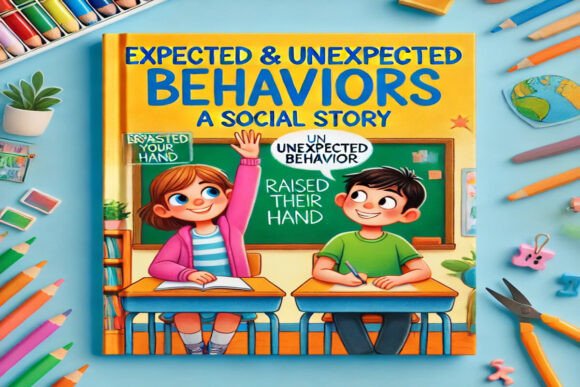
The visual style of this social story is intentionally crafted for its young audience. The illustrations are colorful and engaging, using familiar school and home settings to ground the lessons in reality. The character designs are simple and relatable, avoiding overly complex details that might distract from the core message. Each page uses a clear visual hierarchy, with the "expected" behavior often presented in a brighter, more positive light compared to its "unexpected" counterpart. This contrast helps children visually categorize actions. The overall personality of the design is warm, supportive, and non-threatening. It feels like a friendly guide, not a stern rulebook. This approach is crucial for social-emotional learning (SEL), as it reduces defensiveness and opens the door for discussion. The font choices are legible and straightforward, prioritizing readability for beginning readers. This thoughtful combination of art and layout makes the content accessible and memorable, turning a behavioral lesson into a shared, positive experience.
Practical Applications Beyond the Classroom
While this resource is a cornerstone for classroom behavior management and special education programs, its utility extends into various practical scenarios. For homeschooling parents, it provides a structured curriculum for teaching social skills and manners. Therapists can use it as a conversation starter in sessions, helping children articulate their understanding of social cues. The availability in PDF, PNG, and JPG formats is a significant practical advantage. Educators can project the pages during a class discussion, print them for individual student reference, or even create custom activity sheets. The digital formats allow for easy integration into virtual learning environments or behavior intervention plans shared with parents. The recommended use of role-playing activities is a powerful extension of the visual guide. By acting out scenarios, children move from passive observation to active practice, solidifying their understanding of expected behaviors in a safe, controlled setting. This multi-sensory approach—seeing, reading, discussing, and acting—caters to different learning styles and reinforces the lessons more effectively than a simple verbal reminder.
Evaluating Fit and Maximizing Impact
Choosing the right educational tool requires considering your specific audience and goals. For children in first through third grade, the examples and visuals in "Expected & Unexpected Behaviors" are age-appropriate. The key is in the delivery. Reading the book together is the first step, but the real value comes from the subsequent discussion. Ask open-ended questions: "Why do you think raising your hand is the expected way?" "How might your friend feel if you interrupted them?" This dialogue helps children develop empathy and internalize the reasoning behind the rules. When evaluating the material for your setting, consider the existing behavior management system. This social story works best when integrated into a broader, consistent approach. It can be a fantastic anchor for classroom discussions or a reference point during individual behavior coaching. The visual nature of the resource also supports children who are visual learners or who may struggle with verbal instructions alone. Its strength lies in its simplicity and focus on positive modeling, making it a versatile asset for any adult committed to nurturing social competence and a respectful environment.