Tea Clipart's Set: Beyond Basic Graphics for Your Projects
When you're deep in a design project—whether it's a new journal layout, a series of planners, or a line of merchandise—the right visual element can be the difference between something that feels amateur and something that feels cohesive and professional. The Tea Clipart's Set is more than just a collection of nine PNG files; it's a versatile toolkit designed for creators who understand that quality assets save time and elevate outcomes. This isn't about generic, low-resolution images. We're talking about high-resolution, transparent background files that are built for real-world application, from digital stickers to print-on-demand products.
The Anatomy of a Practical Clipart Collection
At its core, this set is defined by its utility. Each of the nine .PNG files features a clean, isolated design on a transparent background. This is non-negotiable for modern design work. A transparent background means you can layer these tea-themed elements over any color, pattern, or photograph without the awkward white box that plagues lesser clipart. The high resolution ensures that when you scale them for a large planner page or a high-DPI print, the lines remain crisp and the details don't pixelate into a blur. Think of them not as fixed images, but as flexible design assets ready to be integrated into your workflow.
The visual personality here is one of charm and clarity. The illustrations likely strike a balance between being detailed enough to be interesting and simple enough to remain legible at smaller sizes, like on a sticker or a notebook margin. This style avoids being overly childish or too abstract, making it suitable for a broad audience—from a tea blogger's website to a sophisticated packaging mockup. It’s a creative font in visual form, carrying a specific mood that can help define a project's tone.
Strategic Applications: Where This Clipart Truly Shines
The true value of the Tea Clipart's Set reveals itself in application. For crafters and journalers, these files are perfect for creating custom stickers, washi tape patterns, or embellishments for bullet journals. The ability to scale before printing means you can size a teacup perfectly for a weekly planner header or a tiny icon for a habit tracker.
For entrepreneurs and small business owners, especially in the tea, café, or wellness space, this set is a goldmine. Use them in social media graphics to create a consistent, on-brand visual language. Imagine an Instagram story series where each tip is accompanied by a matching tea icon. Integrate them into your packaging design for labels, bags, or thank-you cards. They can even inform your brand identity—the style of the illustrations can set the aesthetic for your logo, website, and marketing materials, creating immediate recognition.
Content creators and bloggers will find endless uses. Sprinkle them throughout a blog post about tea blends to break up text and add visual interest. Create a featured image with layered clipart for Pinterest, which thrives on rich, detailed visuals. For print-on-demand sellers, these assets are the building blocks for mugs, t-shirts, tote bags, and notebooks. The commercial license is key here, allowing you to use these designs on products you sell.
Making It Work: Practical Guidance for Integration
Simply having the assets is step one. Step two is integrating them effectively. Start by evaluating the project's existing visual hierarchy. If your layout uses a clean, modern sans serif font, the detailed tea clipart can serve as a decorative accent. If your design leans more rustic or handwritten, the illustrations can become a more central feature. Always test the pairing—the clipart should complement, not compete with, your typography and other design elements.
Consider the context of use. For web design, ensure the file sizes are optimized for fast loading. For editorial design in a magazine or booklet, think about how the clipart can guide the reader's eye or highlight a sidebar. In logo design or broader brand identity work, using a single, recognizable element from the set consistently can build strong visual association. The key is consistency. Using one style of teapot across your menu, social media, and packaging reinforces professionalism and aids in brand recall.
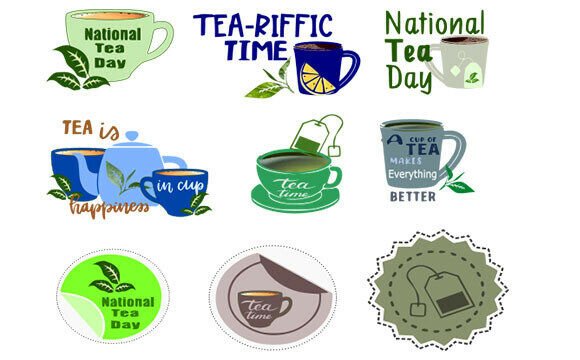
Finally, always review the full set. Look for variety in the nine provided images—different poses, angles, or related objects (like a teapot, cup, and saucer). This variety allows you to tell a small visual story within a single project. The fact that this is a curated set, with potential for more collections and bundles in the store, speaks to a scalable approach to design. You're not just buying nine images; you're investing in a system that can grow with your projects, maintaining a cohesive aesthetic whether you're designing a single invitation or an entire product line.